UXÍO DA VILA
7 may - 27 jun 2026
MADRID
PHE 2026
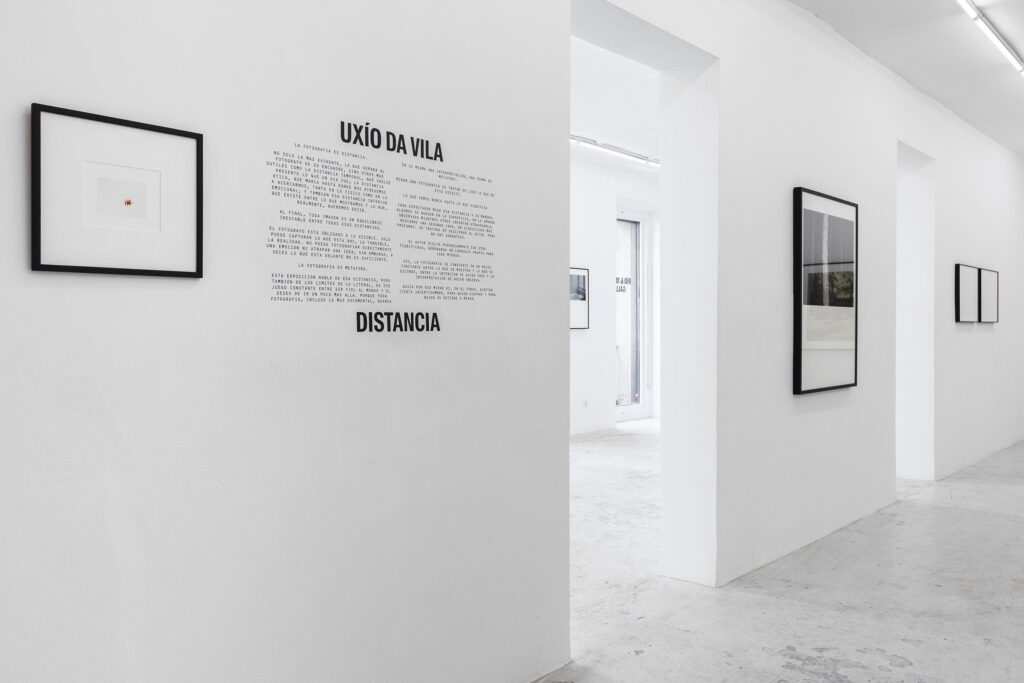
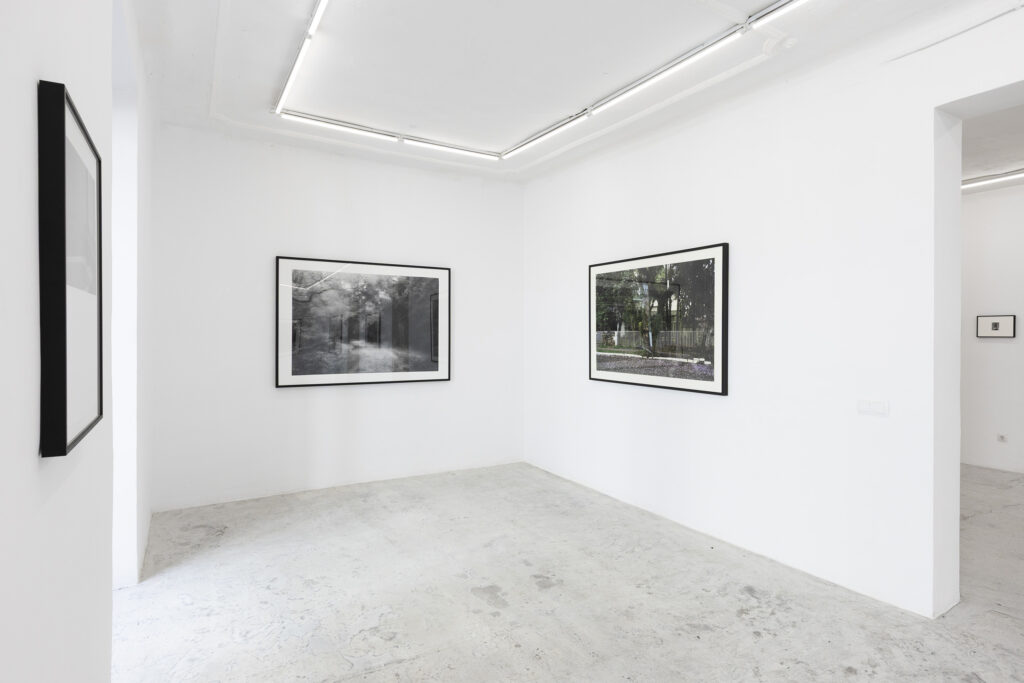
Photography is distance.
Not only the most evident kind—the one separating the photographer from the frame—but also subtler forms: temporal distance, which renders present what once was; ethical distance, which defines how close we dare to approach, both physically and emotionally; and that inner distance between what we show and what we truly intend to say.
Ultimately, every image is an unstable equilibrium among all these distances.
The photographer is bound to the visible. They can only capture what is there—what is tangible, what belongs to reality. An emotion cannot be photographed directly, nor can an idea be seized; and yet, at times, what stands before the lens is not enough.
Photography is metaphor.
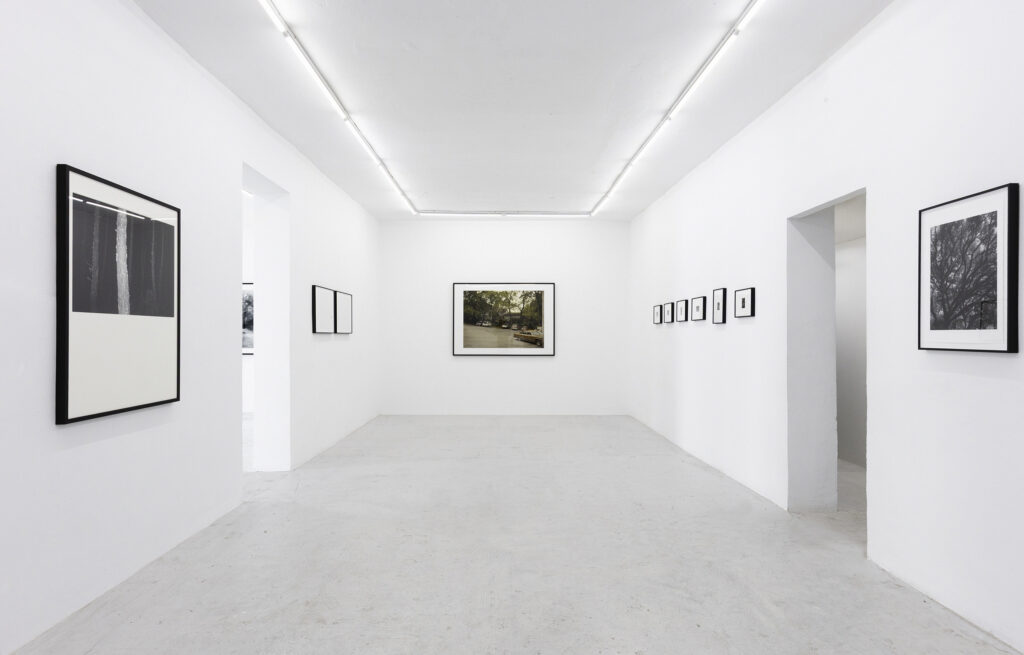
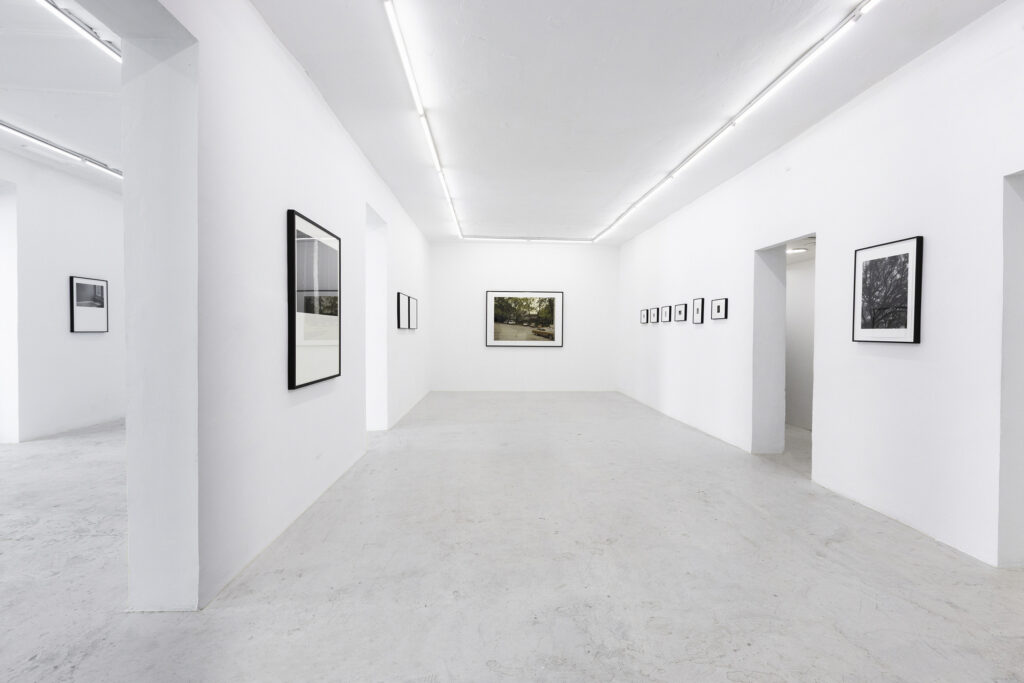
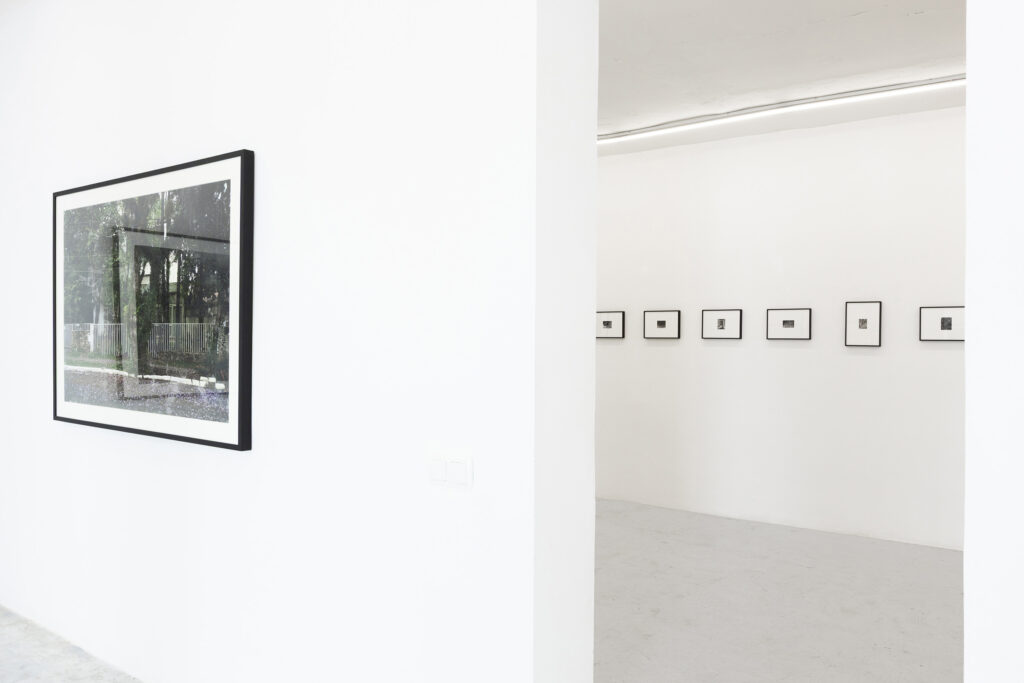
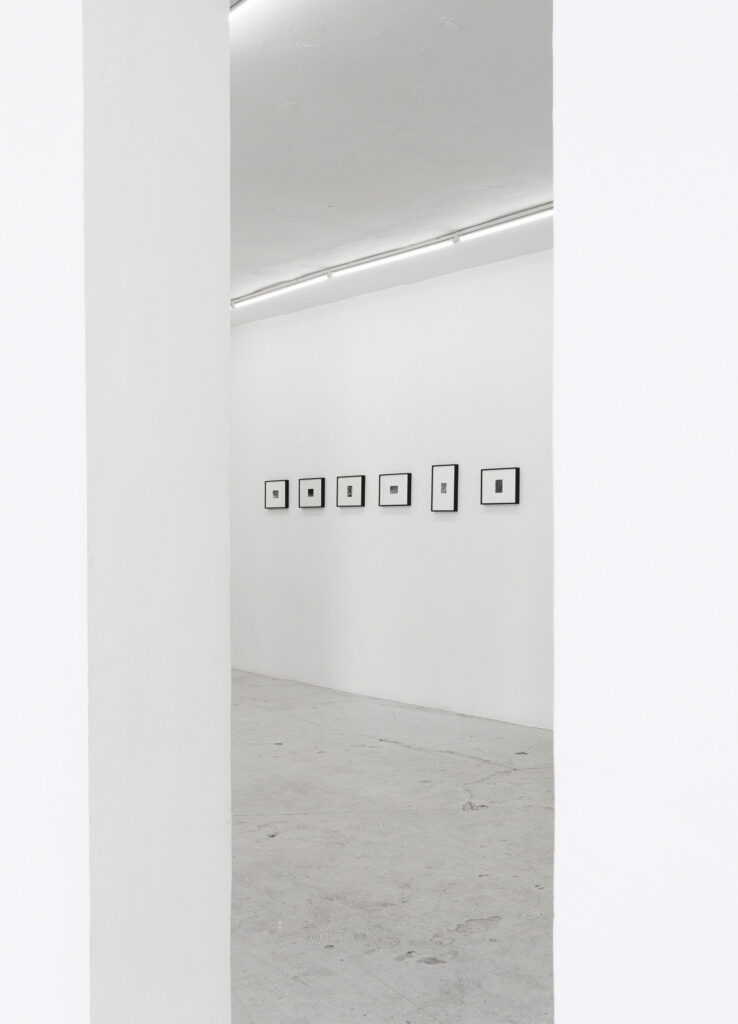
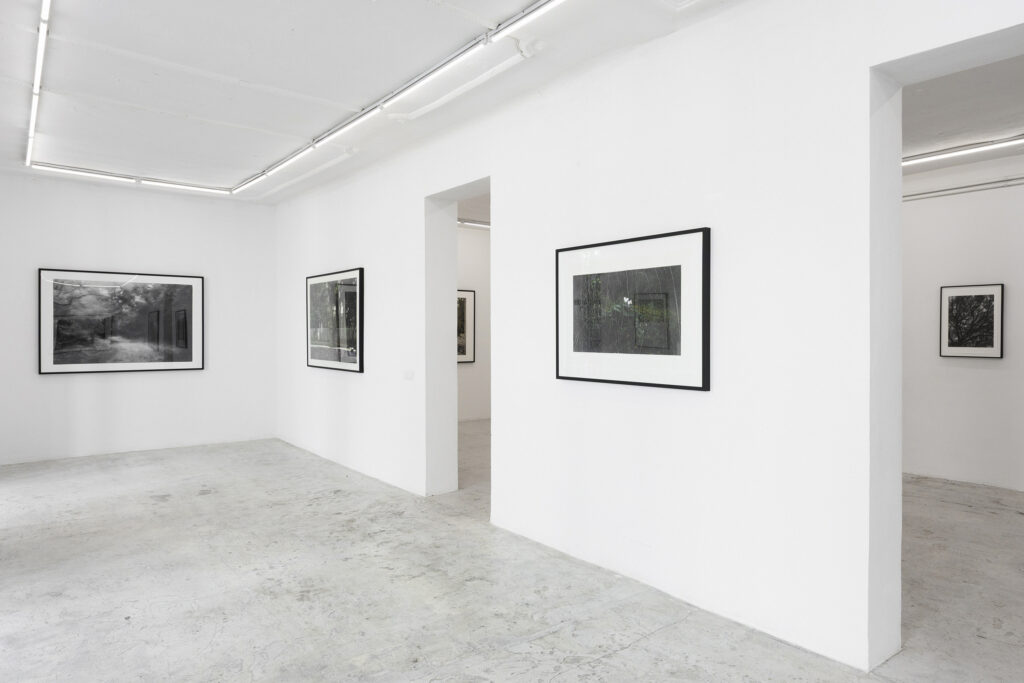
This body of work speaks of that distance, but also of the limits of the literal—of the constant negotiation between remaining faithful to the world and the desire to move slightly beyond it. For every photograph, even the most documentary, inherently contains an interpretation, a form of metaphor.
To look at a photograph is to attempt to read what is not written. What we see never exhausts what it means.
Each viewer measures that distance in their own way: some remain at the surface, within the observed image, while others attempt to pass through it, searching for a second layer, a deeper significance. One may try to decipher the author—but there are no guarantees.
The author discreetly conceals that other meaning, generating a language unique to each gaze.
Thus, photography becomes a constant tension between what is shown and what is withheld, between the intention of the maker and the interpretation of the viewer.
Perhaps that is why looking is, ultimately, an acceptance of a certain uncertainty—for the one who releases the shutter and for the one who pauses to look.