Miki Leal
3 octuber 6 december 2018
London
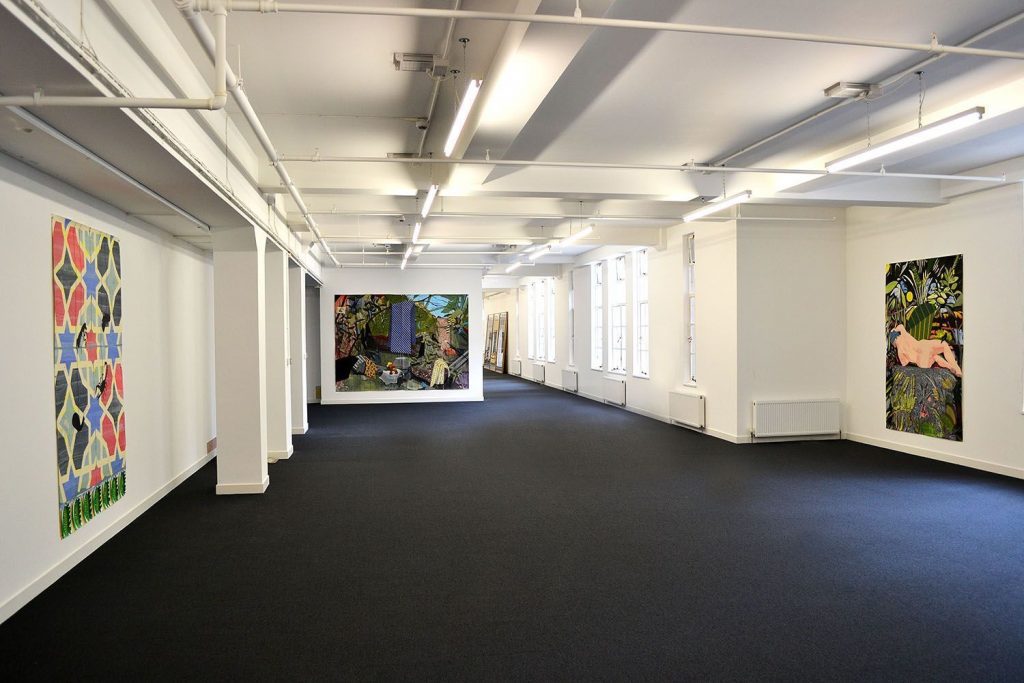
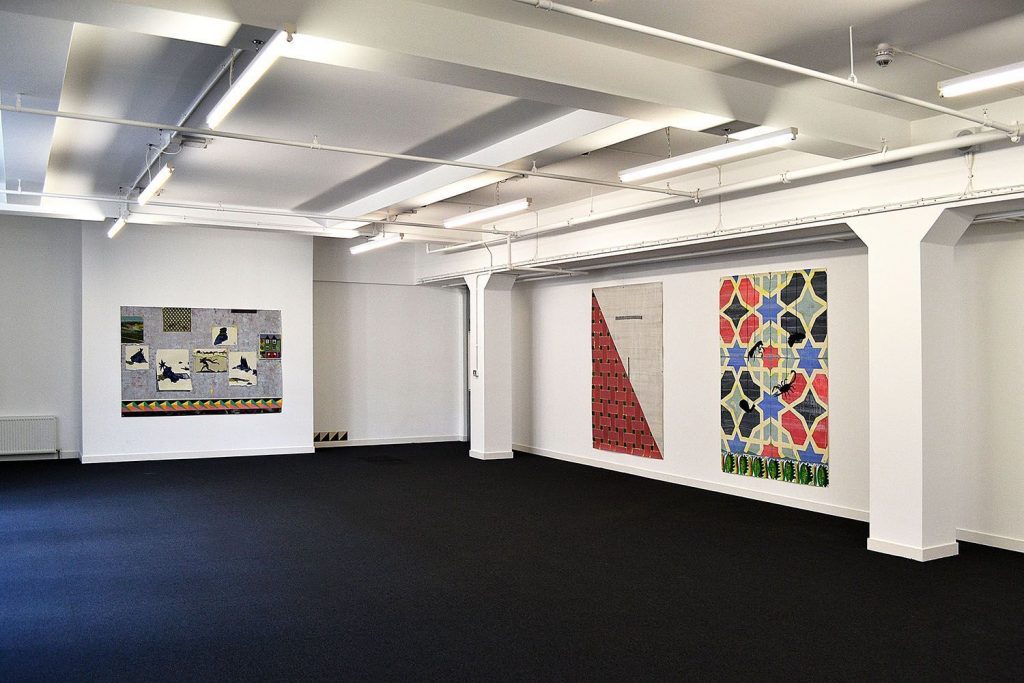
Dandy's Match
Miki Leal is one of the leading representatives of Spanish painting today. From the beginning of his career, precisely at the turn of the century, his work is clearly situated in the coordinates that define the renewal movement of figurative painting that took place in those years: irony and distance with respect to the conventions and isms of painting, the frequentation and revision of disused or depreciated genres, the affirmation of visual pleasure without alibis, and especially the presence of a fertile and heterogeneous iconography of multiple origins, which covers a wide range that goes from the history of painting itself to the mass media, and in his case also passes through his own personal mythologies in an outstanding way. It is not for nothing that he titled the volume that compiles his first ten years of career as Mikithology.
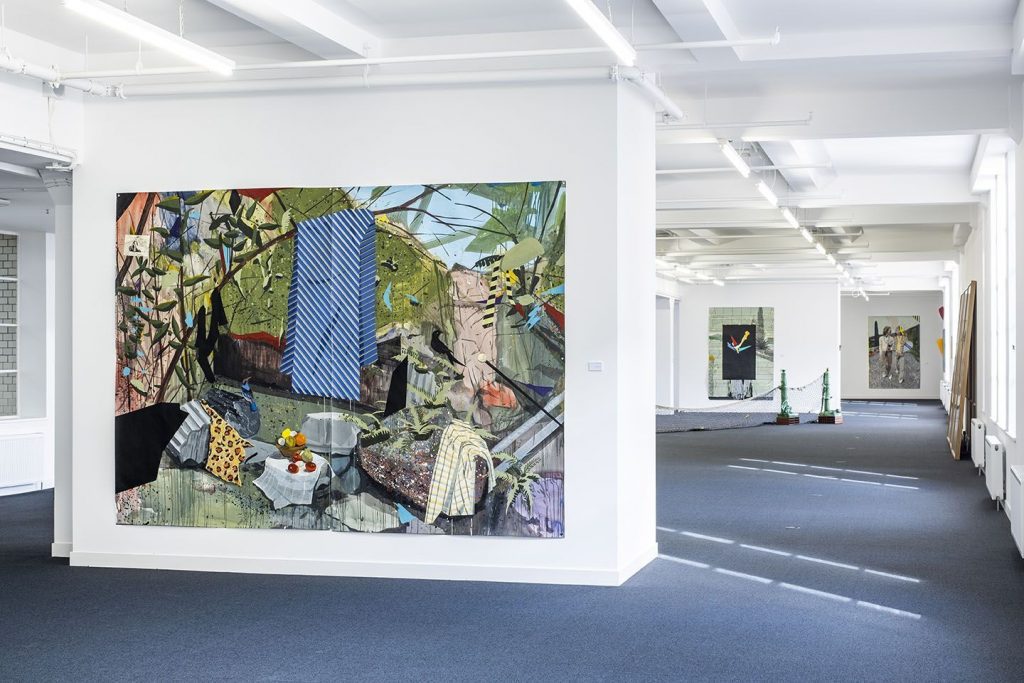
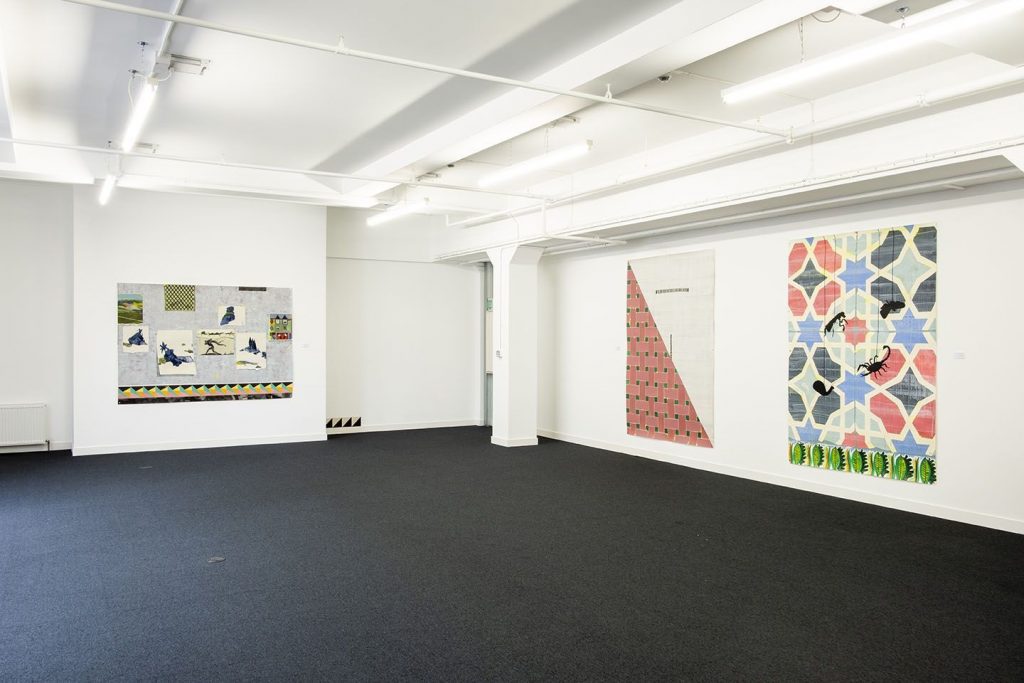
In this context, the question of style as a strategy and the way in which painting reworks images occupies a central place in his work. A style with an accentuated personality and well-defined features that include the use of paper as a support for a very liquid painting with a combination of watercolour and acrylic; the use of colour and stain as key tools in the composition of the pictorial space, forcing the limits of figuration; the physical and material intervention on the support; or the de-hierarchisation operated through the importance given to the margins or edges, both physical and figurative, of the work. In recent years Miki Leal has opened up his practice to media such as graphics and, in particular, ceramics, where he finds both a new materiality for his painting and a fundamental means for the unfolding and reworking of forms in dialogue with space.
But if there is something essential in his work, it is the role played by the spaces of connotation to which he refers and in which his production is integrated. Each of these spaces or references poses different challenges or levels of play for the pictorial practice, whether through fabrics or clothing, design, mass media, books or films, vinyl and their covers, photographs, ceramic tiles or applied arts. A constellation of signs scattered through his painting and a consequent process of displacement of meanings and referents that move between high and low culture, art and media, culture and industry.
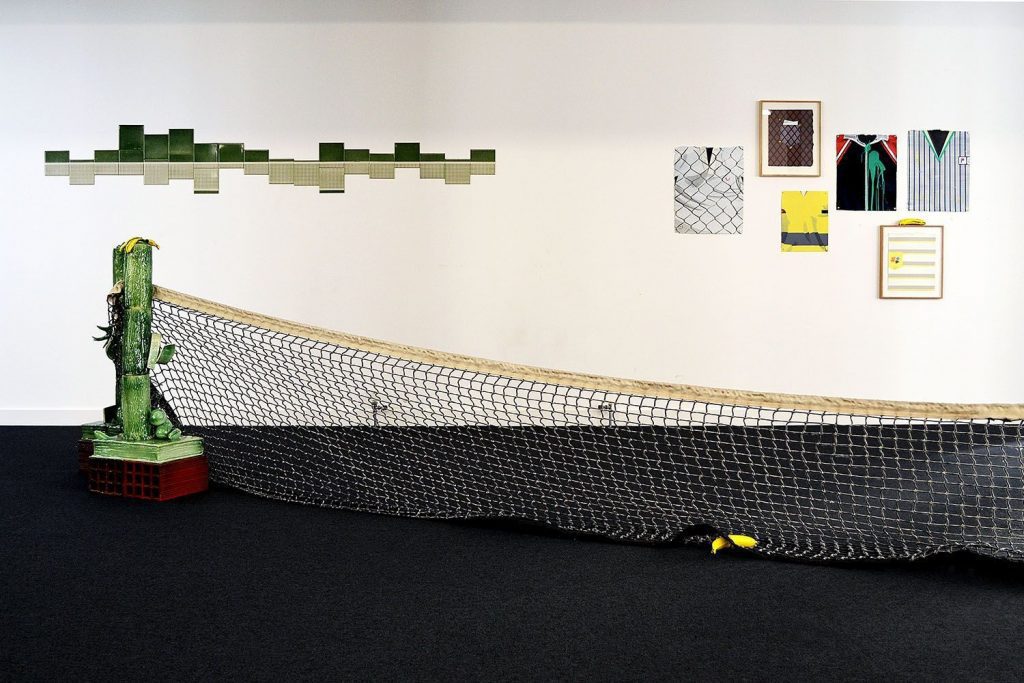
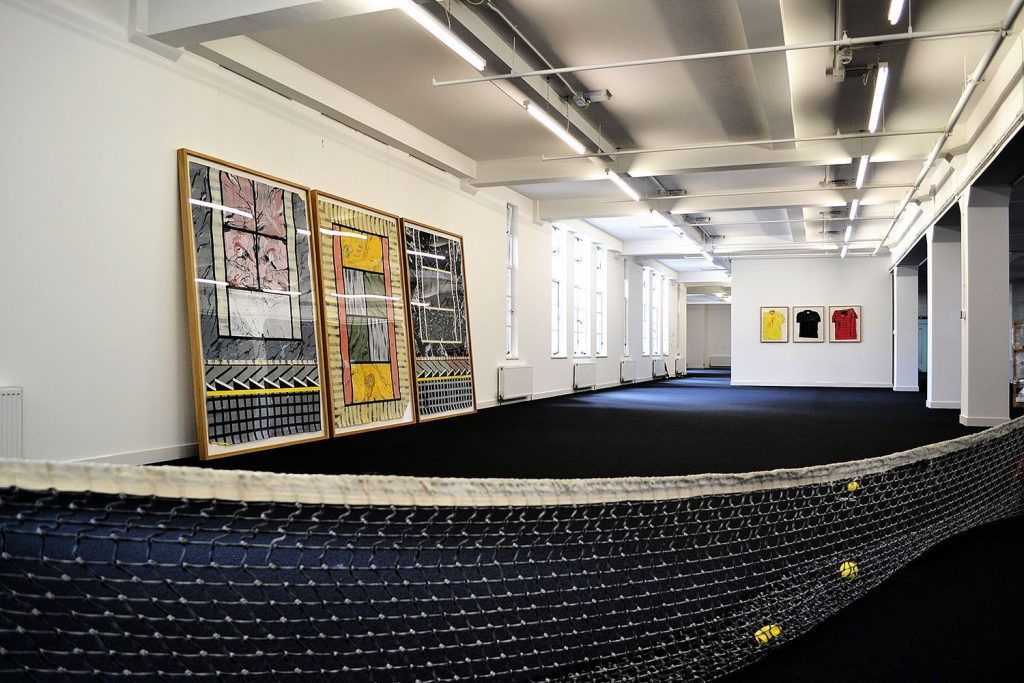
In this sense, one of the latest reference fields in which Miki Leal's work has been developing is perfectly illustrative: tennis. Whether through painting or ceramics, it has become a playground for dialogue on the very act of painting, on genres and forms, on culture, its signs and symbols, and the way of representing them.
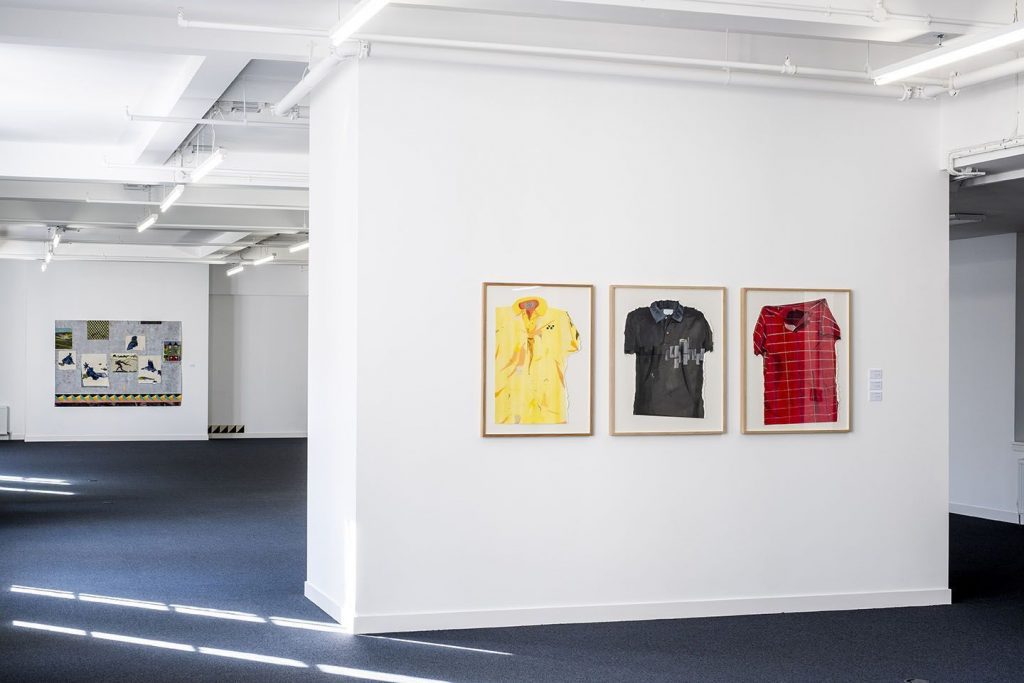
The tennis court itself, with its lines of demarcation and the uniform colour of the court, offers fertile territory for a dialogue between figuration and abstraction, and beyond that, for reflecting on the limits of pictorial space and on modes of representation. In the same way that sportswear as a theme, with its decorative designs, its symmetries and asymmetries, opens up space for an investigation into colour and line, texture and transparency. As always in his approach to cultural signs, aspects of image stylisation, fashion and design, or the decorative and industrial arts, resonate here once again.
Ceramics, as a territory towards which his painting has expanded in recent years, is also present in this thematic approach. But as mentioned above, leaving the frame and materializing is only one of the objectives. The dialogue with genres, and specifically with the still life, is also the vehicle, once again, to converse with the history of painting, with its forms and motifs. Ultimately, instability of iconography and its meanings and proposal of conversation between the different elements represented in papers and ceramics.
If one had to look for an element that appears as a constant, almost as a substratum, throughout his career, and that at the same time gives reference to the strategies put into play in his pictorial practice, one could appeal to an updating of dandyism. Dandyism as an attitude where harmony, surprise, productive anachronism, artifice, present-past dialogue, effect and subtlety converge, but also the elegance of precision. A way of looking and representing, the work understood, in short, as the product of a passionate observation.