An Wei
5 SEPTEMBER 19 OCTOBER 2020
MADRID
Beyond the Memories to come
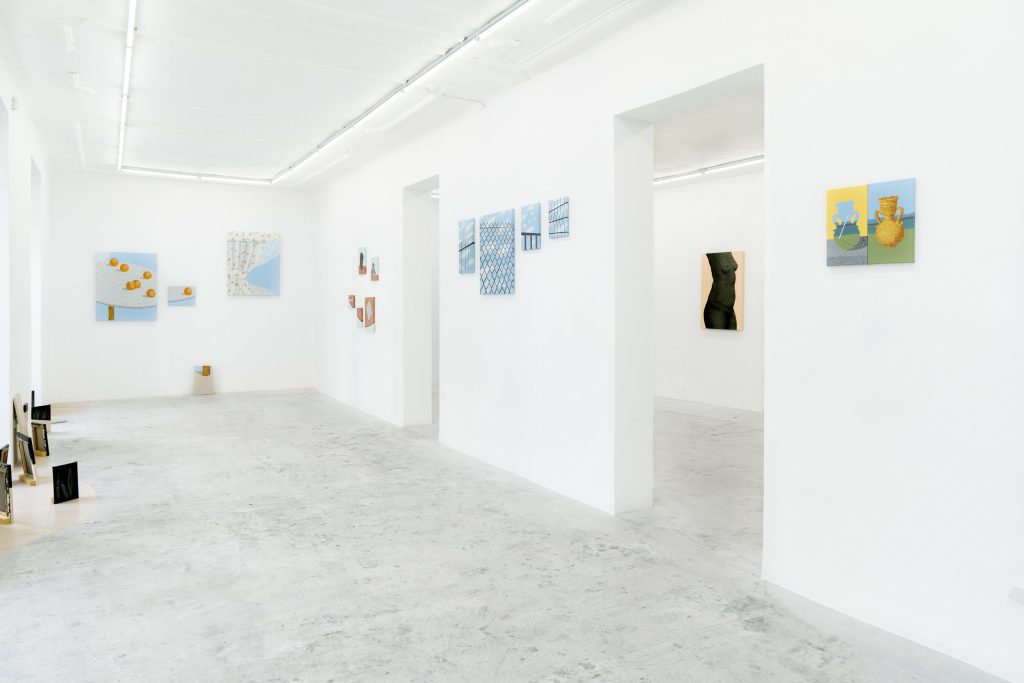
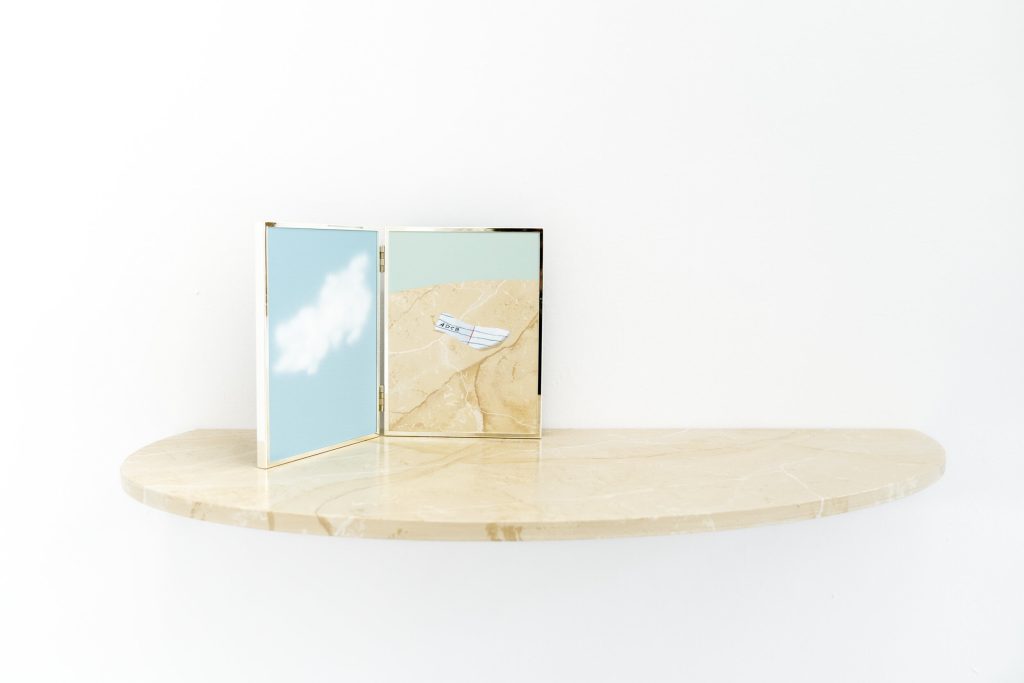
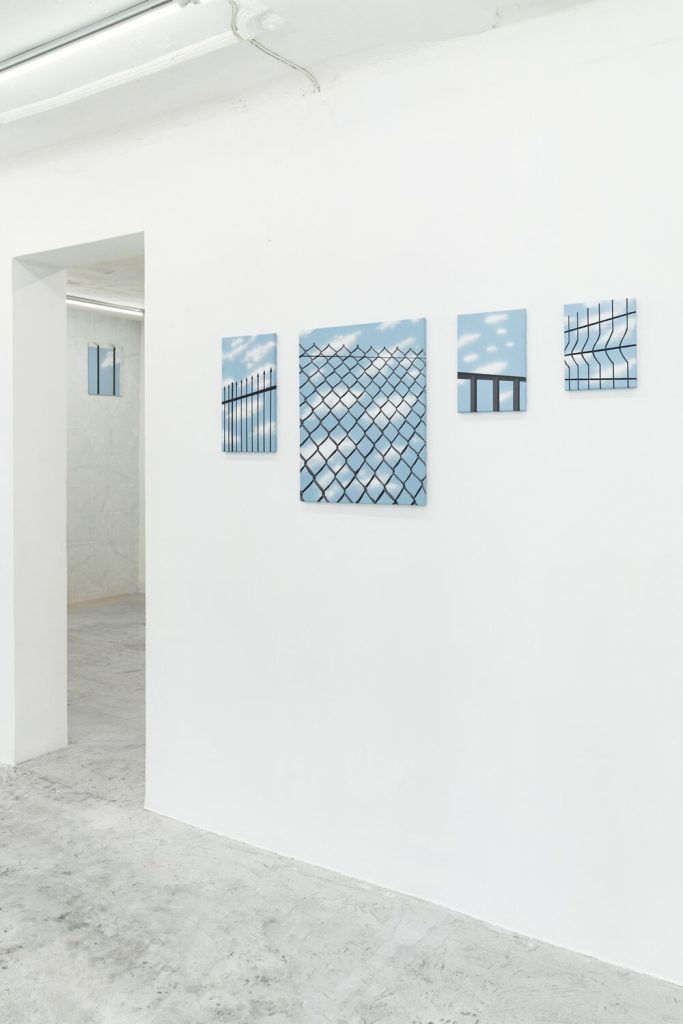
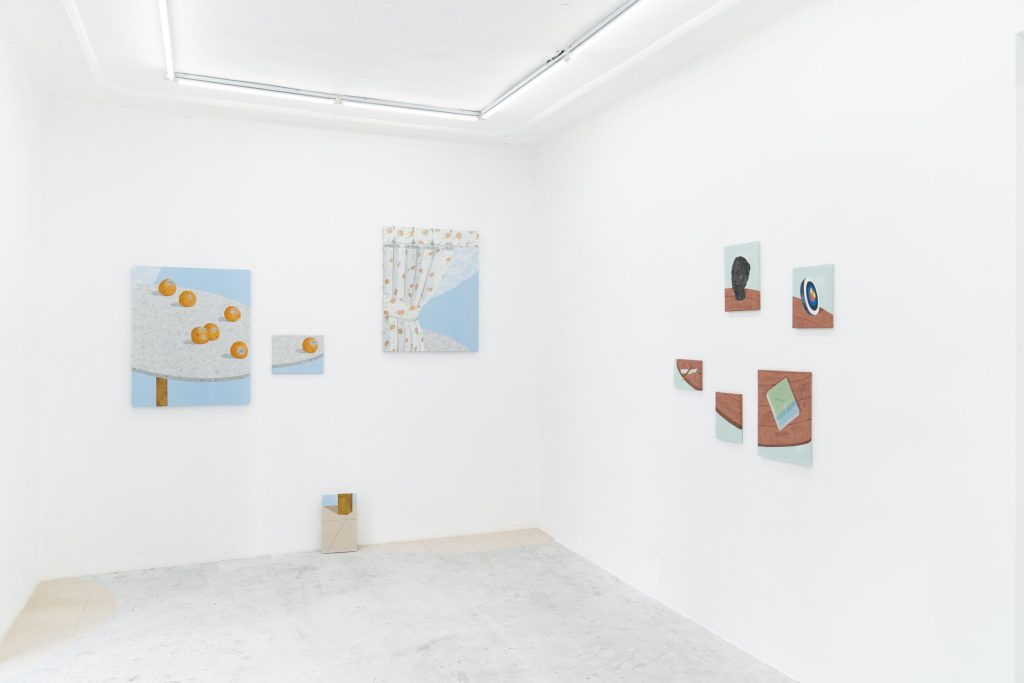
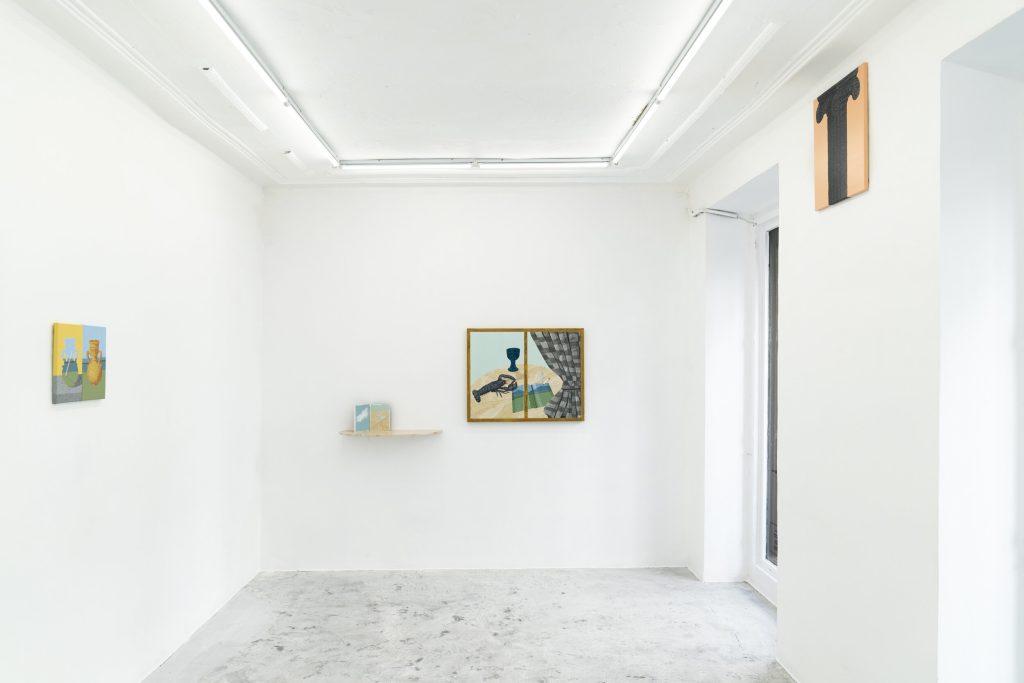
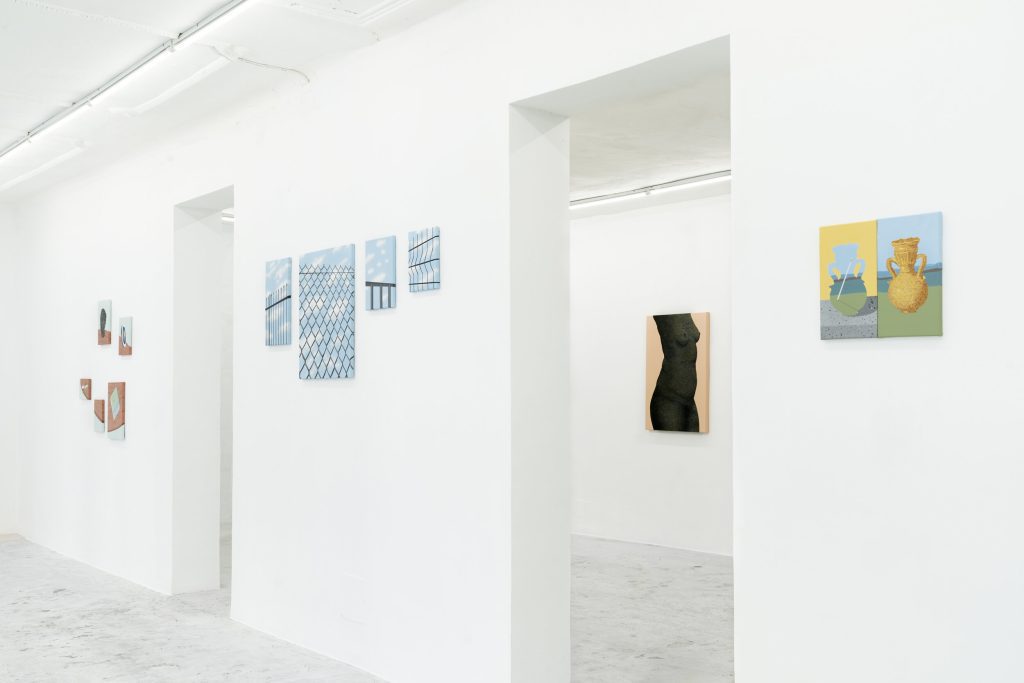
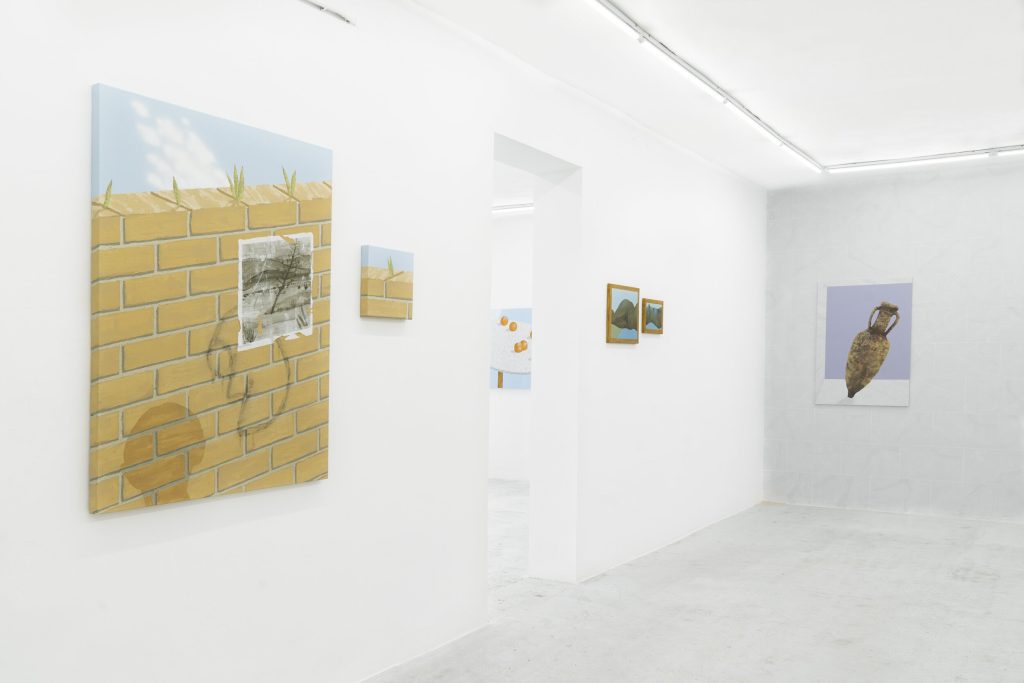
"Beyond the Memories to Come" explores memories as a source of confusing, precarious, and fragmented experiences. An Wei's artworks serve as a window into the process of memory. Together, they appear as traces that enable us to reconstruct realities always affected by the passage of time. The exhibition space thus becomes a realm of awareness where a biographical narrative is somehow shared and remembered.
"An Wei, Beyond the Memories to Come". By Juanjo Aguilar Orellana e Ignacio González Olmedo
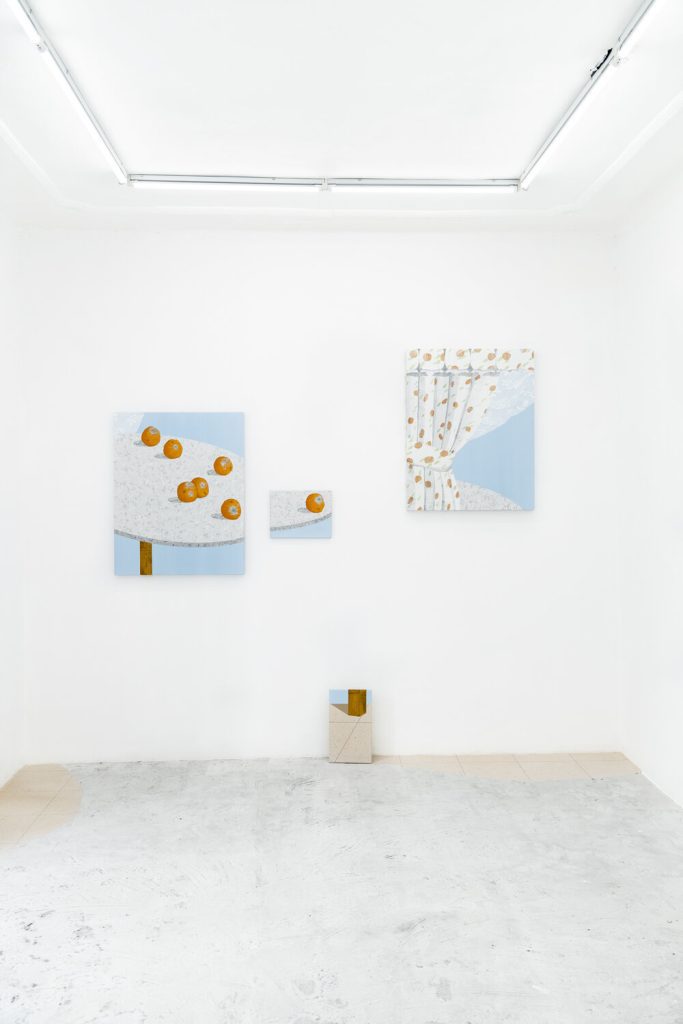
I'm engulfed in the scent of oxidized oranges, the pale color of the kitchen curtains, the black specks on the bananas, the sight of that lonely hole on the golf course. Painting, as a medium, seeks to capture certain realities composed of fragments that change over time. I have in my mind my first memory, yet I wouldn't bet my life on it. It's so distant in my memory that it's hard to follow its traces. There are also memories that I would swear are irrevocably true, some that aren't, and others that are yet to come. Remembering is like unearthing the yellowed bones of a previously unseen extinct species. Reconstructing it is an exercise that requires dedication, study, and a good dose of imagination. The soft parts, the cartilage, and the viscera of that being can only be vaguely guessed at. Here is this specimen that once was, and now exists only as a construct.
Memories are not static and immutable elements. Rather, the process of memory presents certain difficulties and errors, confusions and mix-ups that produce a different memory each time. One way to understand this process is to recognize that we retrieve a memory, that is, we reproduce certain static content stored in our brain. However, the experience of remembering often turns out to be disordered and partial. If we view the act of remembering as a process of reconstruction rather than reproduction, marked by fragility rather than fidelity, we can better understand how we experience those memories. The content of these memories is dynamic, altered with each successive reconstruction, and never returns to us as something defined and pure. Thus, memories are a source of precarious and fragmented experience. Precisely, the various works found in "Beyond the Memories to Come" serve as a window to this kind of memory process.
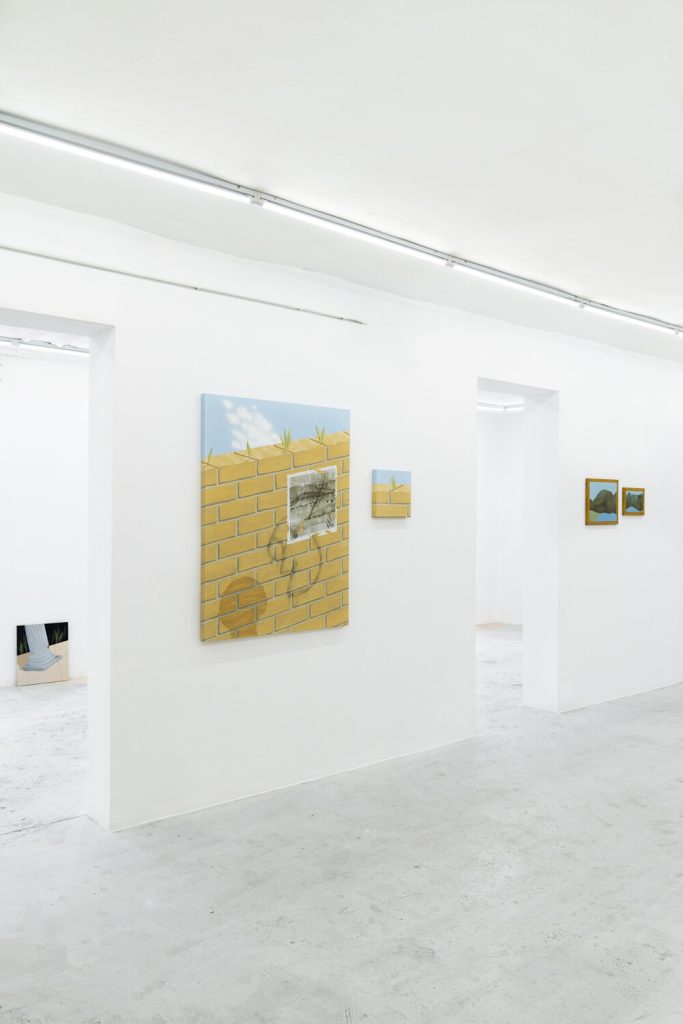
Brought into the exhibition space, An Wei's pieces, understood as traces of memory, encourage the reconstruction of those memories through objects, textures, overlapping motifs, and recognizable yet distant scenarios, as if they emerged from a dimension very similar to ours but different in some aspect. Approaching his painting is like peering through a window with cracked glass and finding in each of those fragments a piece of an unfinished landscape. It's about peering, not just observing. His work is an invitation to participate in the reconstruction of memory.