Alan Sastre
6 FEBRUARY 15 MARCH 2025
MADRID
The Augury
Madrid, painting, and life are a dynamic conglomerate of things that change, transform, multiply, or divide. Things move. They appear and disappear. One day something is there, and the next day it is not, or it has become something else and reappears in a different place. This is how Alan Sastre reappears, exhibiting again at the Río & Meñaka Madrid gallery after nearly five years, and this is also the behavior of painting in this city.
Not far from this street, Conde de Aranda 20, a few years ago, among the lots of an auction, an "Ecce Homo" appeared with a starting price of €1,500. The piece turned out to be a lost Caravaggio, buried in the chaos of inheritances and transfers. Currently, and temporarily, it is exhibited at the Museo del Prado. Acquired by a private collector, it will disappear once again, and its image will remain for those who wish to see it in the form of a postcard. They sell them for €1.20 in the museum shop. In the same museum are Goya's "Black Paintings", transferred to its galleries from his residence, La Quinta del Sordo, in 1881. This house was demolished in 1909, and today a commemorative plaque in one of the streets of the Puerta del Ángel district indicates the supposed location of The Black Paintings. In reality, the exact place is elsewhere, but it does not matter because painting is something alive, constantly moving both physically and conceptually. One of these same murals, "The Drowning Dog", now depicts a dog gazing into nothingness within a disquieting void. There are countless speculations about this painting. In the photograph of the work taken by Jean Laurent in 1874 at its original location in the Quinta, we can see faint traces depicting birds that Goya's metaphysical dog was contemplating. Another memorable mural is the one Bonifacio created in the 1980s for the legendary Candela in Lavapiés, which is reopening its doors these days after years of closure. Who is Bonifacio? some may ask, as do the very owners now running the venue. The surprising thing is that among those partners is a painter who does not know Bonifacio's identity. But that is how it is because painting flows within each of us in different ways.
In Bonifacio, painting flowed in a very pure way. He explained it himself with a wonderful phrase that, out of context—that of Spain in the 1980s—might seem somewhat crude: "I don't know about painting, I can't explain it, I only know what happens to me! If I'm painting, I'm thinking about whores, and if I'm with a whore, I'm thinking about painting. That's why painting is so damn great!"
This phrase by Bonifacio, which could be seen in the monographic stand dedicated to him by the Rafael Pérez Hernando gallery at the Estampa 2021 fair, perfectly illustrates, with the wisdom of an enlightened mind, the definition of desire in its deepest and most essential sense, as Cicero puts it in his "Tusculanae Disputationes: Desiderium est libido videndi eius qui non adsit". Literally: desire is the libido to see someone who is not present. This desire is defined by Pascal Quignard in his essay The Image That is Missing as a desideratio, understood as the joy of seeing the absent despite their absence.
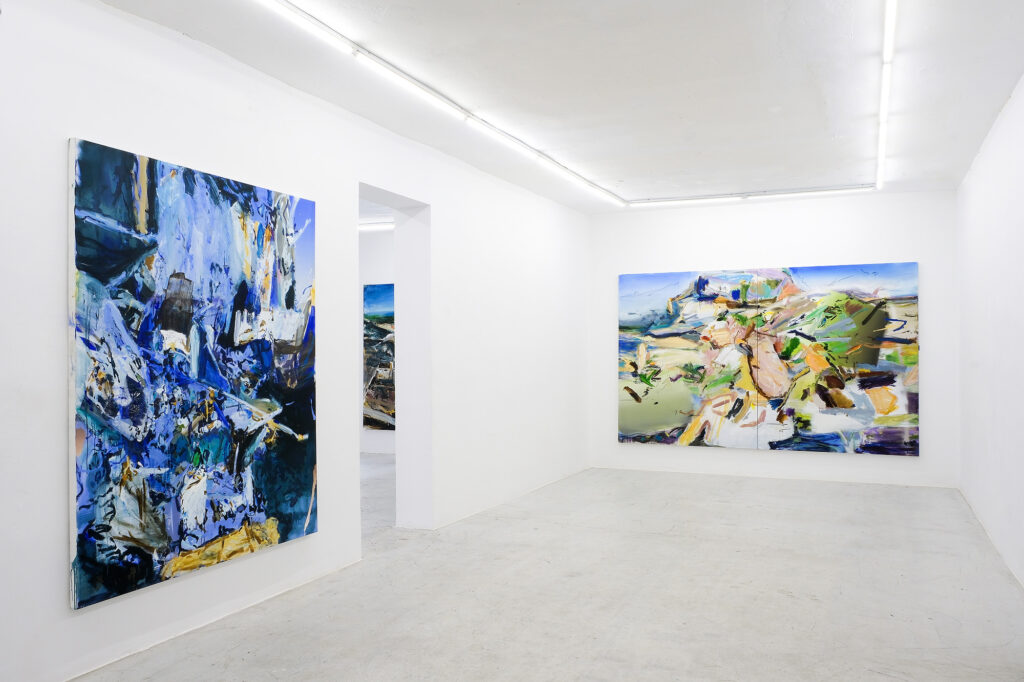
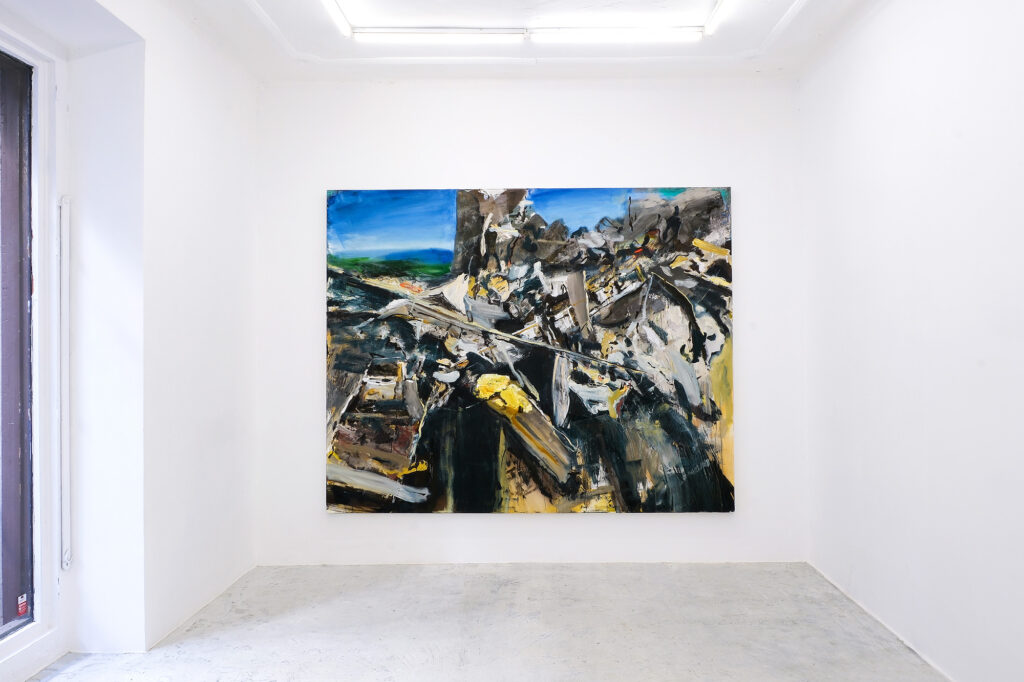
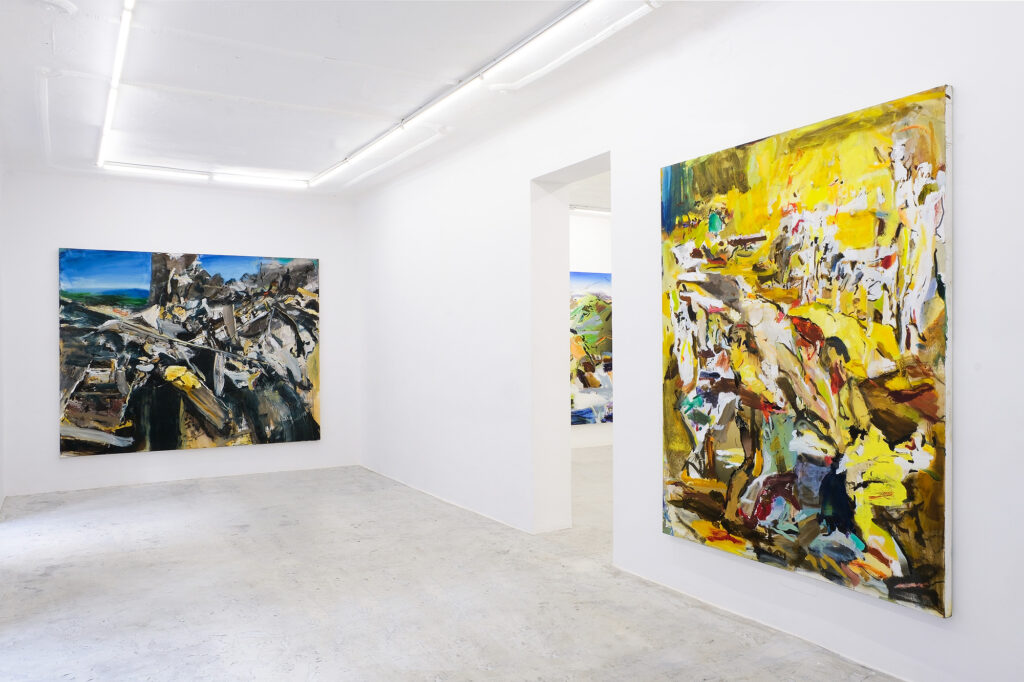
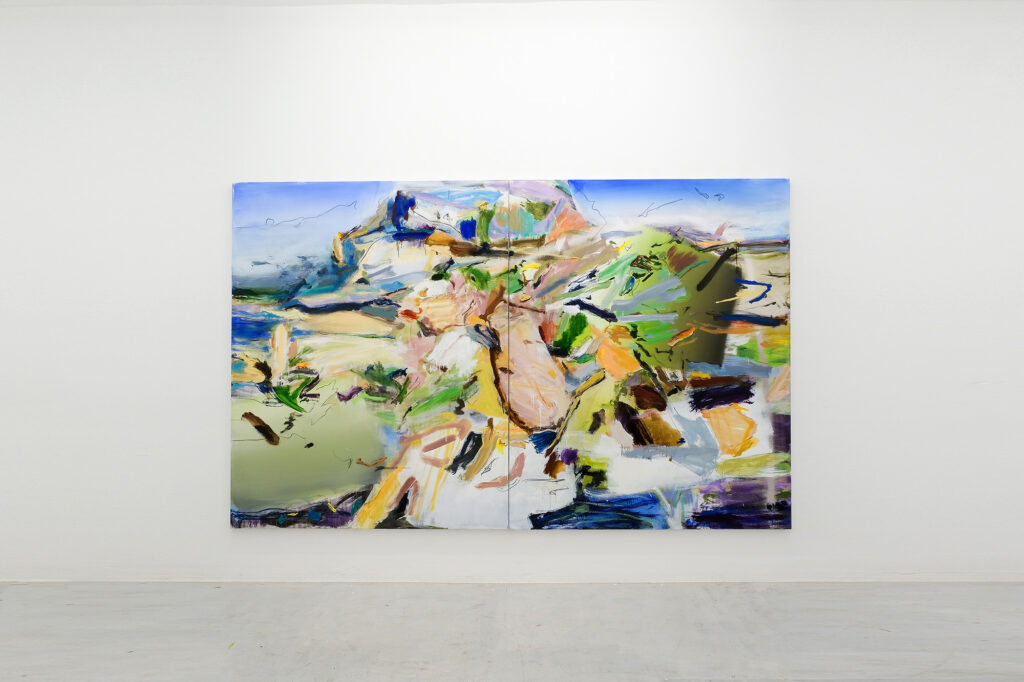
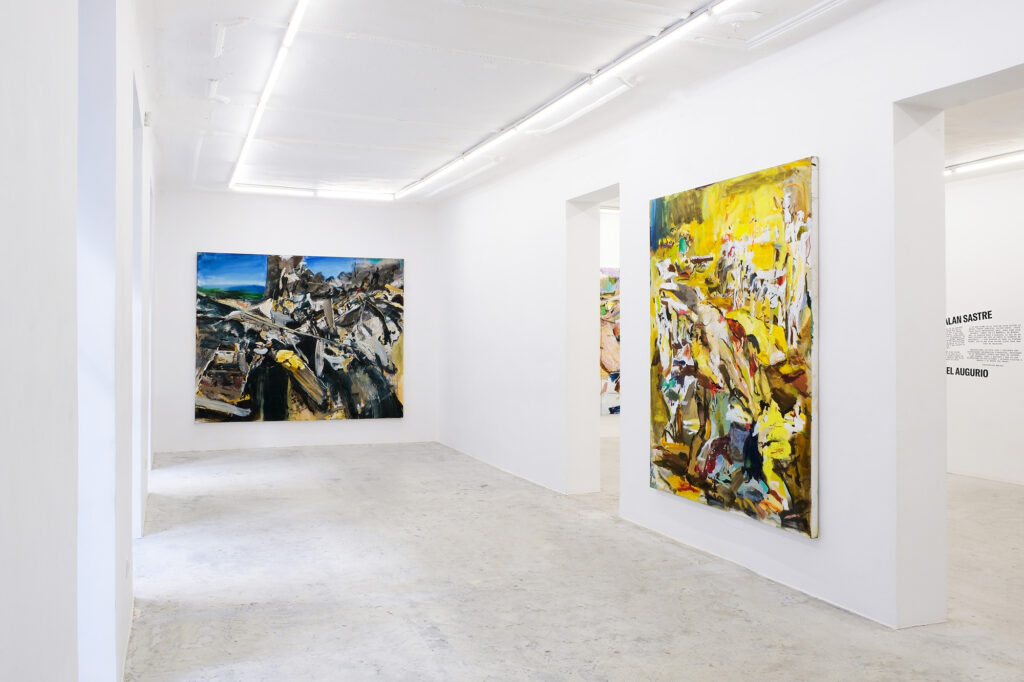
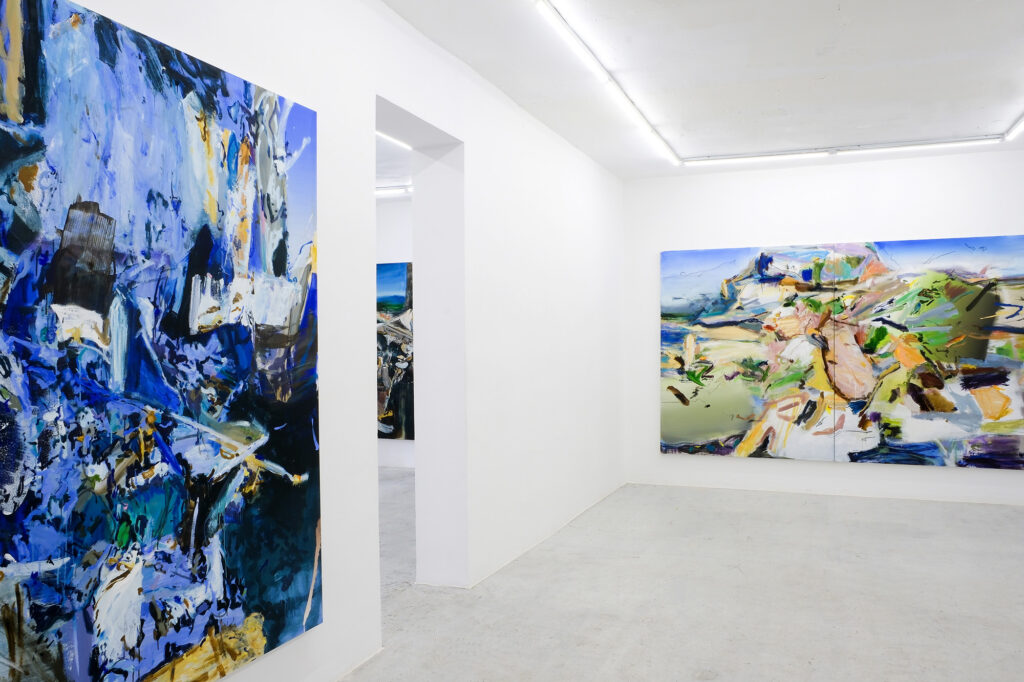
With these reflections by Bonifacio, Cicero, and Quignard, we arrive at the precise point that concerns us here. Alan Sastre's new series of works stems from the idea of presence and absence, the joyful desire to see, and the contemplation of what flows through the painter at the moment of creation. And what emerges in Alan Sastre's case is substantial: a restless painter (as any significant creator must be), a voracious reader, and someone who does not need to be told who Bonifacio is. All of these aspects matter here because, as Hockney says: "We see with memory, so if I know someone well, I see them differently than I would if I had just met them." And that someone here is painting itself, with which Alan Sastre has had a lifelong relationship.
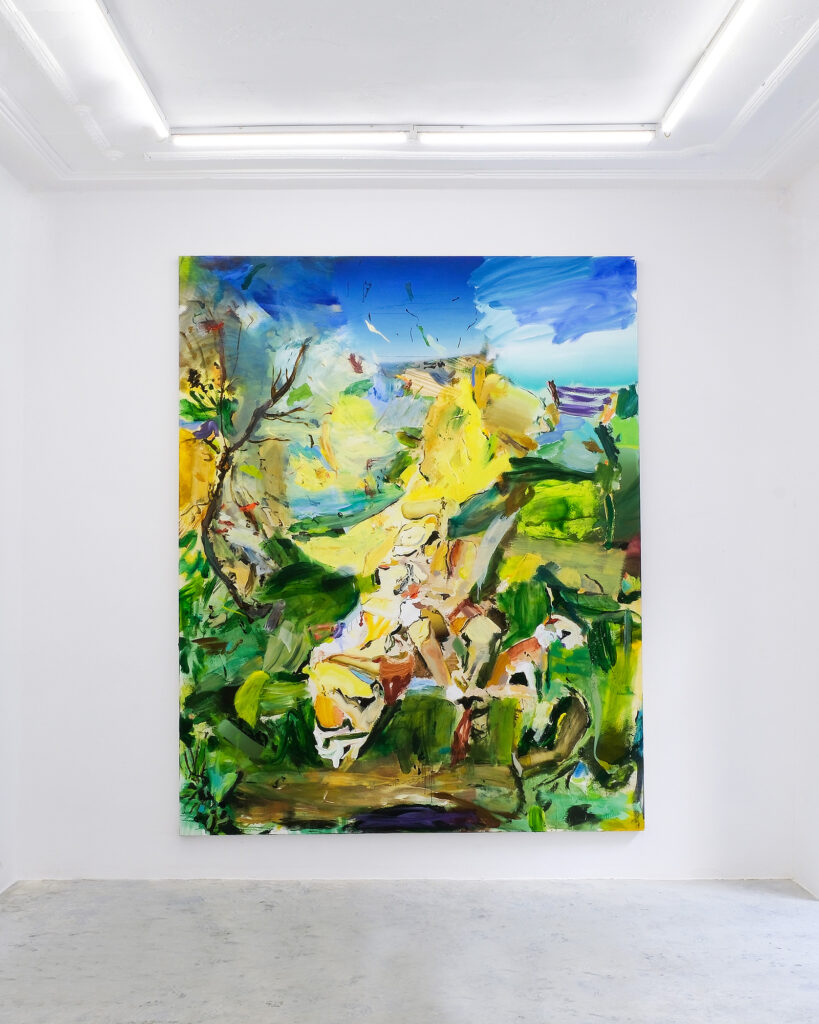
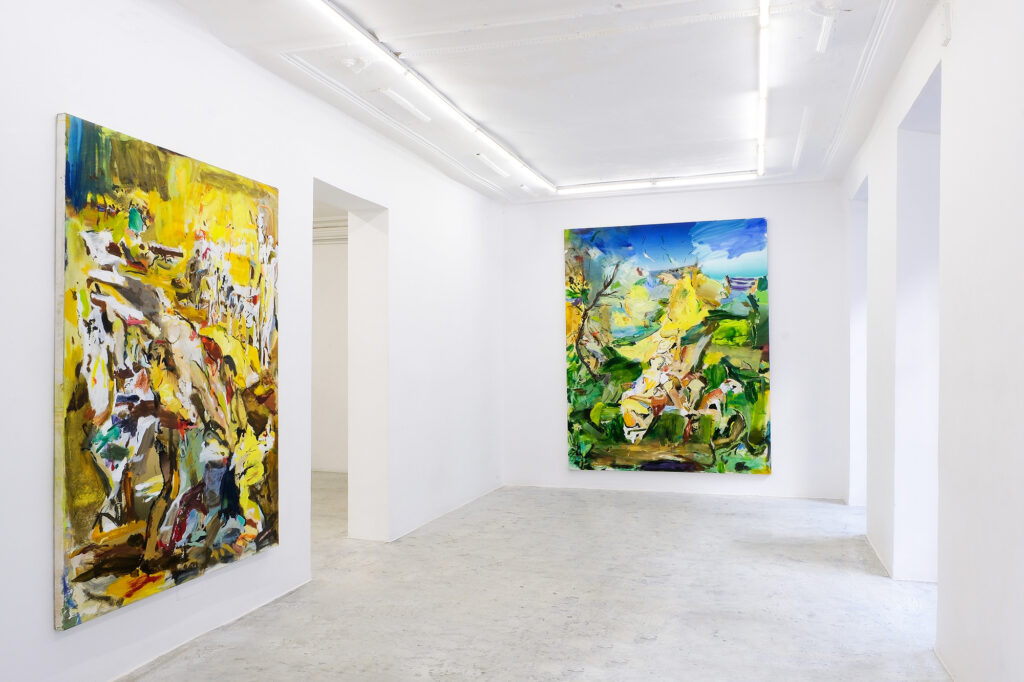
Continuing with Quignard's text on the desired image, we find the key to understanding these works. According to the oracular practice of the Roman world, priests who read omens were called augurs. Auspicia breaks down into aves and spicio, and these visions of birds in flight were called inaugurationes in Latin, in-augur-ationes. The augur, using his sacred staff—the lituus—marked a rectangle in the sky—a templum in which he examined the flight and direction of birds. He also considered clouds, storms, air movements, lightning, and any other signs that might appear. The templum primarily defines the rectangular space in the air, marked by the augur's ritual staff, which will be subjected to contemplatio. This same phenomenon occurs in these works: if the augur's templum is the rectangle drawn in the sky with the staff, in Alan Sastre's case, his templum is the canvas. On its surface appears that desideratio of images, which, in this case, and making a surprising figurative suggestion, originates from an imagery that draws from artists such as Rubens, Corot, or Watteau and has been sedimenting in his latest frequent visits to Madrid and the Museo del Prado.
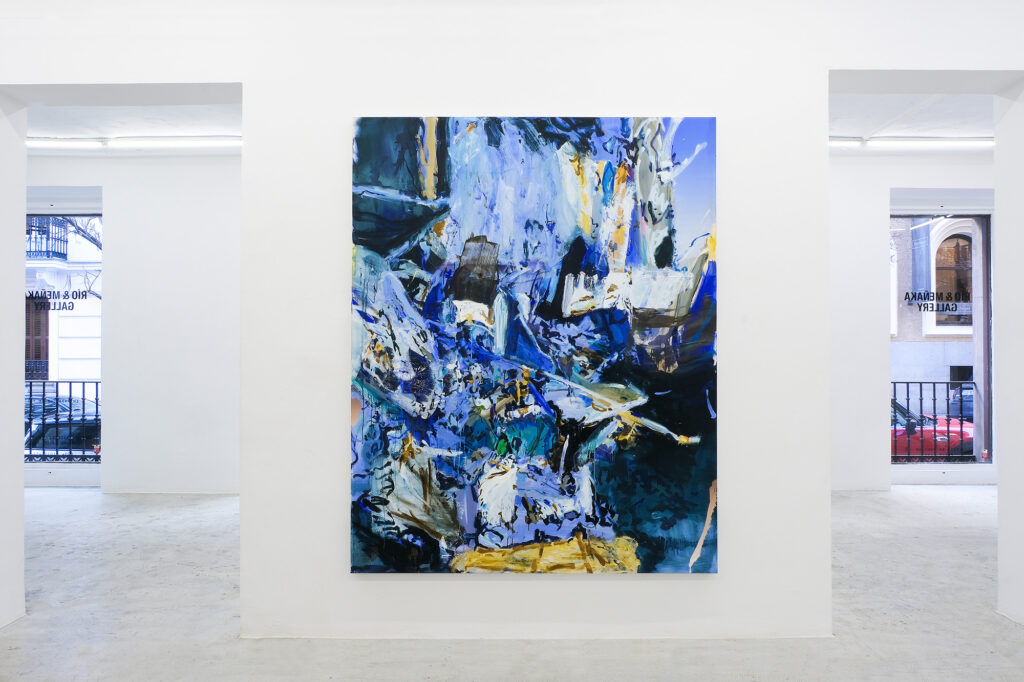
These works are, therefore, the result of that augural instant. Just over half a dozen paintings in a state of grace, a brief and forceful series, a rapture, a pictorial framing as refined as it is wild. A series that, by all indications, will be memorable in Alan Sastre's career. The augury of the painter, whose oracle is traversed by both his biography and that of painting, which, as we know, is a constant ebb and flow of appearances and disappearances, of memories and forgettings, of dislocations and dynamic games: stains, sweeps, lines, and points transfigured into that image of desire. The absence of what appears for an instant and foretells to us the joy of seeing.